
Table of Contents
- Prevent Slips and Falls Indoors and Outdoors
- Ensure Warmth to Prevent Hypothermia
- Prepare for Winter Emergencies
- Keep Up With Health and Medications
- Ensure They Eat Well and Stay Hydrated
- Maintain Safe Heating Practices
- Help Them Stay Active and Mentally Engaged
- Arrange Help When Needed
- Make This Winter a Great One for Seniors
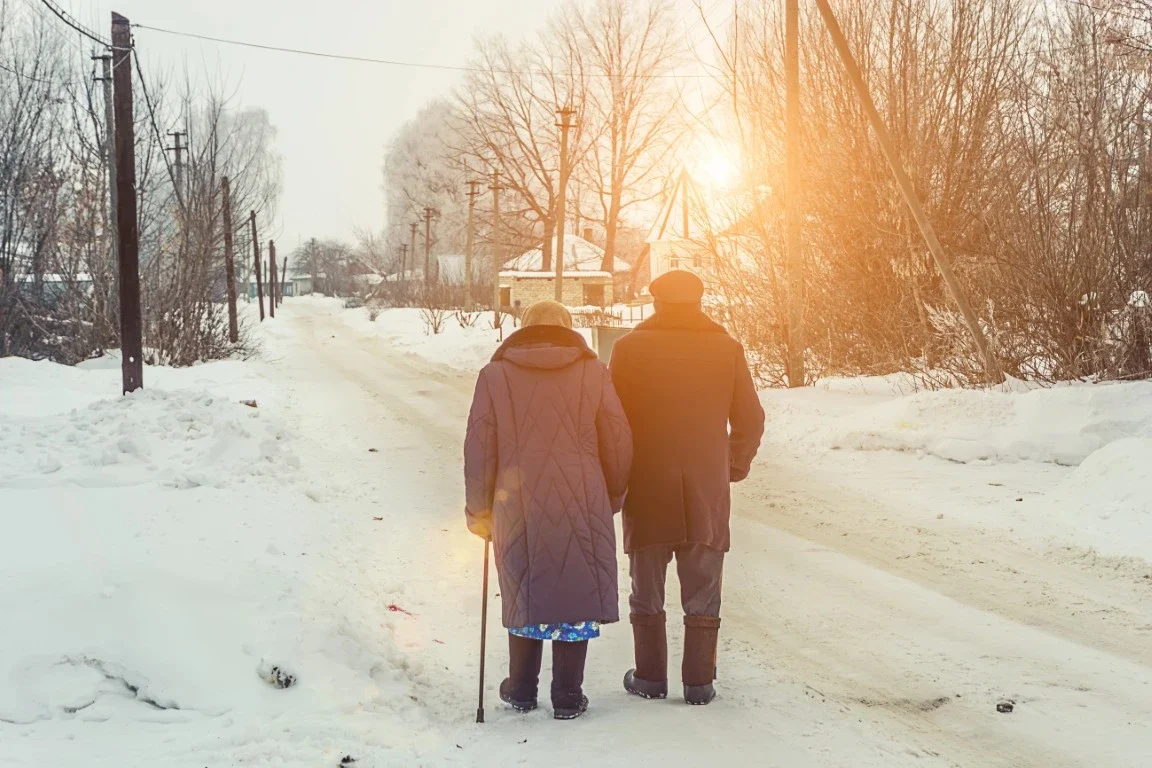
As temperatures drop, winter can bring unique challenges for older adults. Icy walkways, dry indoor air, cold-related illnesses, and disrupted routines all increase risks. For seniors living at home, a little preparation can make a big difference in staying safe, healthy, and comfortable throughout the season. Here are some essential winter safety tips for families and caregivers.
Prevent Slips and Falls Indoors and Outdoors
Falls are one of the biggest winter hazards for seniors. To reduce the risk of slips, you should:
Keep Walkways Safe
- Clear snow and ice promptly from driveways, sidewalks, and entry steps
- Apply salt, sand, or ice melt regularly
- Add a supportive handrail to any outdoor stairs
- Make sure exterior lights are working for better visibility
Improve Indoor Safety
- Place non-slip mats at entry doors to catch snow and moisture
- Use slip-resistant rugs or remove throw rugs altogether
- Keep frequently used items within easy reach to reduce unnecessary climbing or stretching
Ensure Warmth to Prevent Hypothermia
Older adults lose body heat faster and may not feel the cold as quickly as younger people. To keep them safe during cold, winter days:
Keep Their Home Warm
- Maintain indoor temperatures at 68°F or higher
- Seal drafts around windows and doors
- Use space heaters (however, be sure to never place them near curtains, bedding, or furniture)
Encourage Them to Dress in Layers
- Wear thermal undergarments, sweaters, and warm socks
- Use hats, gloves, and scarves when going outdoors, even for short trips
- Change out of wet clothes immediately
Prepare for Winter Emergencies
Snowstorms and freezing conditions can limit travel and lead to power outages. During these dangerous conditions, it’s important for your loved one to have an emergency kit and communication plan:
Build an Emergency Kit
Include:
- Flashlights and extra batteries
- A battery-powered radio
- Bottled water and shelf-stable food
- Extra blankets
- Necessary medications (at least a one-week supply)
- Backup chargers or power banks
Create a Communication Plan:
- Keep a list of emergency contacts visible
- Ensure seniors know how to reach family or caregivers quickly
- Consider wellness check calls during severe weather
Keep Up With Health and Medications
Winter can make it harder to keep routines consistent. Seniors’ lives can be made easier by:
Managing Medication
- Refill prescriptions early to avoid running low during storms
- Use pill organizers or medication reminders
Staying on Top of Health Appointments
- Schedule telehealth visits when the weather makes travel unsafe
- Ensure mobility aids (walkers, canes) have non-slip tips
Supporting Respiratory Health
- Use a humidifier to combat dry indoor air and maintain proper humidity levels
- Stay up to date on flu vaccinations
Ensure They Eat Well and Stay Hydrated
Many seniors drink less and eat more poorly during colder months, often without realizing it. To help combat sickness and stay strong during winter, seniors should:
Stay Hydrated
- Encourage loved ones to drink warm beverages like herbal tea, broth, or decaf coffee
- Keep water easily accessible throughout the home
Boost Immunity With Nutrition
- Include vitamin C-rich fruits, leafy greens, whole grains, and lean protein
- Prepare easy-to-reheat meals for days when cooking is difficult
Maintain Safe Heating Practices
Heating equipment is the leading cause of winter home fires. To keep seniors warm but also safe, follow these tips:
Heating Safety Tips
- Have the furnace inspected annually
- Keep space heaters at least three feet away from anything flammable
- Never use the oven to heat the home
- Install and regularly test carbon monoxide detectors
Help Them Stay Active and Mentally Engaged
Isolation often worsens during the winter months. To keep your older loved ones from falling into seasonal depression:
Encourage Daily Movement
- Gentle stretching
- Indoor walking
- Chair exercises
- Light hand weights or resistance bands
Support Mental Well-Being
- Schedule regular visits or calls
- Encourage hobbies like reading, puzzles, crafts, or baking
- Consider companion care for social interaction and support
Arrange Help When Needed
Many winter tasks, such as shoveling snow, salting sidewalks, and carrying groceries, can be dangerous for seniors. To make the season easier on them:
Consider Support Services

- Snow removal services
- Grocery or medication delivery
- In-home caregivers to help with daily activities and perform wellness checks
Even a few hours of assistance each week can greatly enhance safety and peace of mind.
Make This Winter a Great One for Seniors
Winter doesn’t have to be stressful or risky for seniors living at home. With proper preparation, simple safety measures, and support from loved ones or caregivers, older adults can stay safe, warm, and healthy all season long. If your family needs extra help to keep a senior loved one safe this winter, consider professional in-home care. This can give you the added support and reassurance you need.