
Table of Contents
- 1. Compassion and Empathy
- 2. Patience — Especially During Challenging Moments
- 3. Strong Communication Skills
- 4. Reliability and Trustworthiness
- 5. Adaptability and Problem-Solving Skills
- 6. Physical and Emotional Strength
- 7. Respect for Independence and Dignity
- 8. Attention to Detail
- 9. A Positive, Encouraging Attitude
- 10. Time Management and Organization
- 11. Professional Training and Experience
- Red Flags to Watch For
- A Great Cargiver has More than Just the Proper Skills
Choosing a caregiver for a loved one is one of the most important decisions you will make. Whether that care happens in the home or within a senior care setting, a great caregiver can provide comfort, safety, and companionship, while the wrong match can add unnecessary stress.
So, what exactly should you look for? To help you make the best decision regarding a loved one’s care, here are the essential qualities that make a caregiver exceptional.
1. Compassion and Empathy
The best caregivers truly care about the people they support. They’re able to put themselves in your loved one’s shoes, understand their feelings, and respond with patience and kindness. They also take the time to listen to stories, preferences, and frustrations. This emotional connection fosters trust and creates a safe, comforting environment.
2. Patience — Especially During Challenging Moments
Caring for seniors, especially those with memory loss, mobility challenges, or chronic conditions, requires a calm, steady demeanor. Great caregivers know how to slow down, offer reassurance, and never make a senior feel rushed or burdensome, even when they ask the same questions over and over or have angry outbursts. They go at the senior’s pace, not their own schedule.
3. Strong Communication Skills
A great caregiver communicates clearly with not only your loved one but also with family members and healthcare professionals, ensuring all concerns are addressed. They know what to report, when to report it, and how to explain changes in condition, behavior, or needs.
4. Reliability and Trustworthiness
Families need to know they can depend on their caregiver. Reliability means showing up on time, following the care plan, and consistently providing high-quality support. Trustworthiness includes respecting privacy, maintaining professionalism, upholding ethical standards, and acting with integrity at all times.
5. Adaptability and Problem-Solving Skills
No two days in caregiving look the same. Some seniors may be unpredictable due to dementia, pain flare-ups, or mood changes. A great caregiver can adapt when routines change, when a senior has a difficult day, or when unexpected challenges arise. They think quickly, find solutions, and remain calm under pressure.
6. Physical and Emotional Strength
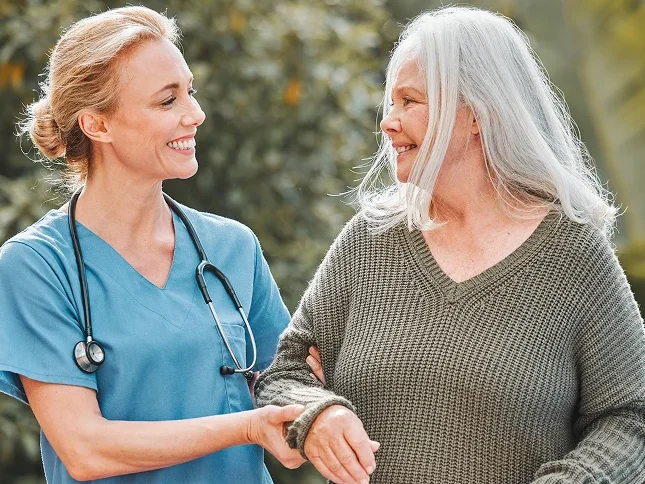
Caregiving can be demanding. Caregivers often help with mobility, transfers, or personal care, and proper training in body mechanics helps them safely assist and prevent injuries. Additionally, they must stay emotionally steady and resilient, even during stressful situations. A great caregiver can support both the physical and emotional needs of those in their care.
7. Respect for Independence and Dignity
A great caregiver understands that seniors want to feel involved in their own routines and decisions. They encourage independence where possible and support dignity and privacy by offering care respectfully and discreetly.
8. Attention to Detail
From care schedules to safety concerns to subtle changes in behavior, detail-oriented caregivers ensure nothing gets overlooked. Their attentiveness keeps seniors safer, healthier, and more comfortable.
9. A Positive, Encouraging Attitude
A great caregiver brings warmth and hope into the home. Their positivity helps reduce stress, improve mood, and make daily tasks feel easier and more enjoyable for seniors. In addition, a good sense of humor can keep caregivers and seniors emotionally strong, as well as reduce stress.
10. Time Management and Organization
Caregiving typically includes managing medication, juggling different appointments, and structuring daily routines. A great caregiver balances these tasks, ensuring nothing is rushed or neglected. They may also need to keep track of finances and important documents, so the best caregivers are also organized and confident.
11. Professional Training and Experience
While personality matters greatly, proper training is essential. A skilled caregiver understands safety practices, senior health needs, and how to respond in emergencies. Experience also helps them anticipate needs and provide more effective care. Additionally, a great caregiver should be committed to learning and staying updated on best practices.
Red Flags to Watch For
When you are beginning the process of hiring a caregiver for a loved one, you should watch for these warning signs:
- Frequent lateness or poor communication during the hiring process
- Difficulty making eye contact or showing empathy
- Blaming previous clients or families for conflicts
- A “task-only” mindset with little interest in emotional needs.
A Great Cargiver has More than Just the Proper Skills
The ideal caregiver is more than a service provider; they are a trusted partner in your loved one’s well-being. When you find someone who embodies compassion, patience, professionalism, and genuine dedication, you can feel confident knowing your family is in good hands.
If you’re exploring in-home care options and need guidance in finding the right match, Comfort Home Care is here to help.