Table of Contents
- Understand the Unique Needs of Aging Veterans
- Reduce Fall Risks Throughout the Home
- Improve Bathroom Safety
- Enhance Lighting and Visibility
- Create Easy Access to Everyday Items
- Incorporate Emergency Preparedness
- Consider Trauma Triggers
- Support Independence and Dignity
- Home Improvements and Structural Alterations (HISA) program
- Honoring Veterans Through Care

As veterans age, they may want to remain in the comfort and familiarity of their own homes. Aging in place allows them to remain independent, preserve their dignity, and support their emotional well-being. However, homes that once felt functional may present new safety challenges as veterans face mobility, balance, and vision changes. Creating a safe home environment as they age can help prevent injuries, promote autonomy, and support overall quality of life.
Below are key ways families and caregivers can improve home safety while honoring those who have served our country.
Understand the Unique Needs of Aging Veterans
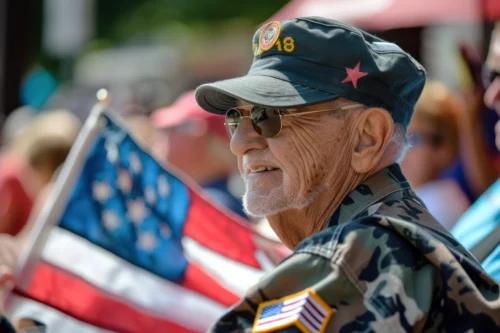
Many veterans face health conditions related to both aging and past service. These may include mobility limitations, chronic pain, hearing loss, post-traumatic stress, or disabilities from injuries sustained during service. Because of the variety of potential conditions, safety modifications should be tailored to the individual’s physical abilities and daily routines.
Taking time to evaluate the home from a safety perspective can help you identify potential hazards and opportunities for improvement.
Reduce Fall Risks Throughout the Home
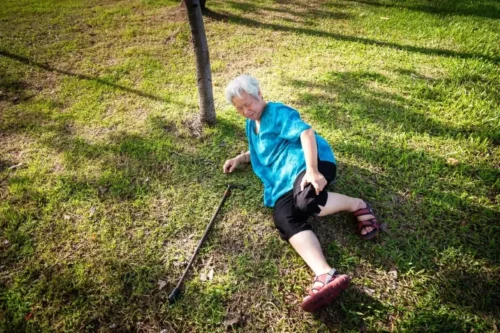
Falls are one of the most common causes of injury among older adults. Fortunately, by making simple adjustments, you can lower the risk of falls.
To keep your loved one safe, remove loose rugs or secure them with non-slip backing, keep hallways clear of clutter and cords, install handrails on stairway walls, add non-slip mats in kitchens and bathrooms, and ensure every room has adequate lighting.
For veterans who use mobility aids, such as walkers or wheelchairs, widening pathways and rearranging furniture can make movement easier and safer.
Improve Bathroom Safety
Bathrooms can pose a huge risk to older adults due to slippery surfaces and tight spaces. To keep seniors safe, you should install grab bars near the toilet and inside the shower, add a shower chair or transfer bench, install a handheld showerhead for easier bathing, place non-slip mats in tubs and on bathroom floors, and raise the toilet seat to make sitting and standing easier.
Walk-in showers or walk-in tubs may also be a good investment for veterans with limited mobility.
Enhance Lighting and Visibility
Vision often declines with age, making good lighting essential for safety. Dim lighting can increase the risk of trips and falls, especially at night.
Consider installing brighter bulbs in hallways, staircases, and entryways, adding motion-activated lights in bathrooms, using nightlights in bedrooms and hallways, and placing light switches within easy reach at room entrances.
Improved visibility not only prevents accidents but also makes daily activities more comfortable.
Create Easy Access to Everyday Items
Older adults may struggle to reach, bend, and climb. Organizing the home to keep frequently used items within easy reach can prevent unnecessary strain and reduce fall risk.
Helpful adjustments include storing commonly used kitchen items on lower shelves, keeping medications organized and easily accessible, using pull-out shelves in cabinets, and avoiding step tools when possible. These small changes make daily routines safer and more manageable.
Incorporate Emergency Preparedness
Every home with an aging adult should have a plan in case of emergencies. Quick access to help can make a critical difference.
Important steps include keeping emergency phone numbers visible, using medical alert systems or wearable emergency buttons, and creating a clear evacuation path in case of fire or other emergencies. You should also periodically check smoke detectors and carbon monoxide detectors to ensure they’re working properly.
Consider Trauma Triggers
When modifying an aging veteran’s home, consider PTSD triggers. You may want to reduce harsh lighting, clean up cluttered areas, incorporate soft colors, and display familiar objects that invoke positive memories. These changes can create a safe, calming atmosphere that supports your loved one, instead of causing them stress.
Support Independence and Dignity
Safety improvements should never feel restrictive. Instead, they should help aging veterans to live comfortably and independently for as long as possible. Consider involving your loved one in decisions about home modifications, as this allows them to feel supported rather than controlled.
Home Improvements and Structural Alterations (HISA) program
If cost is a concern and your loved one has VA-documented medical needs for home improvements, they can apply for the HISA program, which provides grants for medically necessary, permanent home modifications, such as widening doorways, installing ramps, or updating bathrooms.
Honoring Veterans Through Care
Veterans have dedicated years of their lives to serving their country. As they age, families and communities can show gratitude for that service by ensuring their homes are safe and supportive.
By reducing hazards, improving accessibility, and planning for changing needs, a home can remain a place of comfort, independence, and security for aging veterans.