Table of Contents
- Why Fall Prevention Matters for Seniors
- Common Causes of Senior Falls
- Fall Prevention Tips from Home Care Experts
- 1. Improve Home Safety
- 2. Focus on Strength and Balance
- 3. Ensure Proper Lighting
- 4. Review Medications Regularly
- 5. Encourage Safe Footwear
- 6. Eat a Balanced Diet
- 7. Support Daily Routines
- How In-Home Care Helps Prevent Falls
- Helping Seniors Stay Safe and Independent
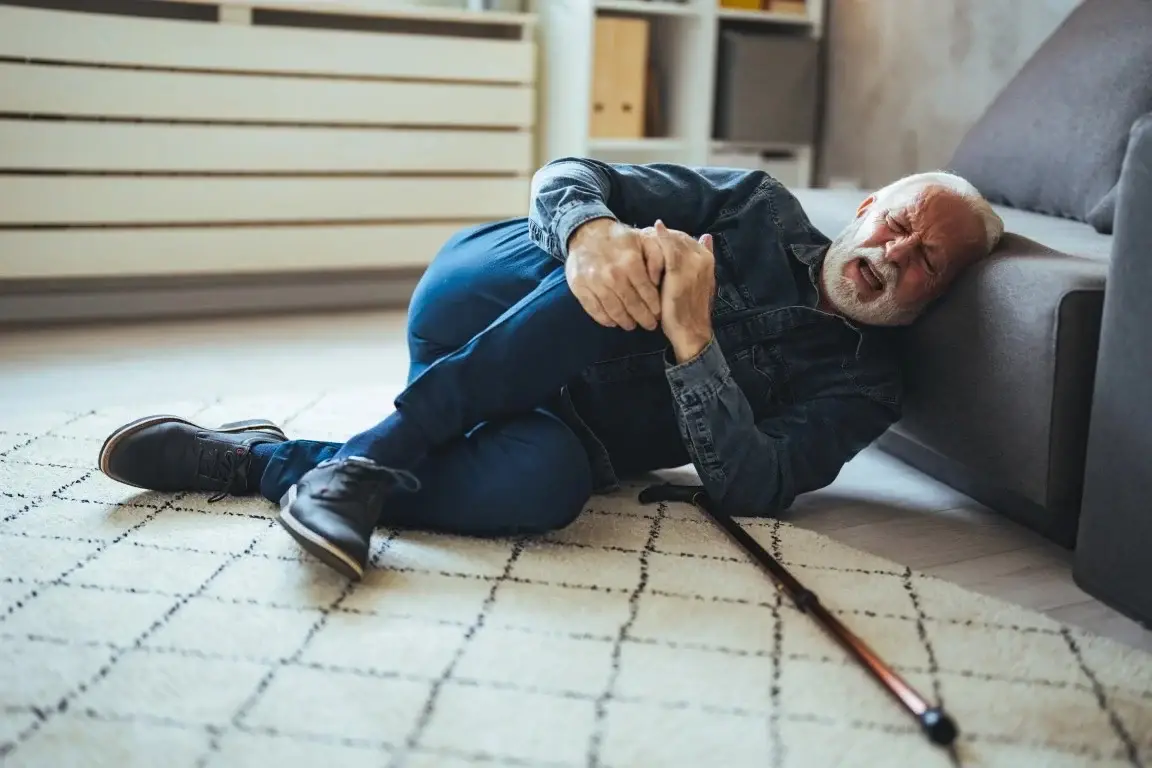
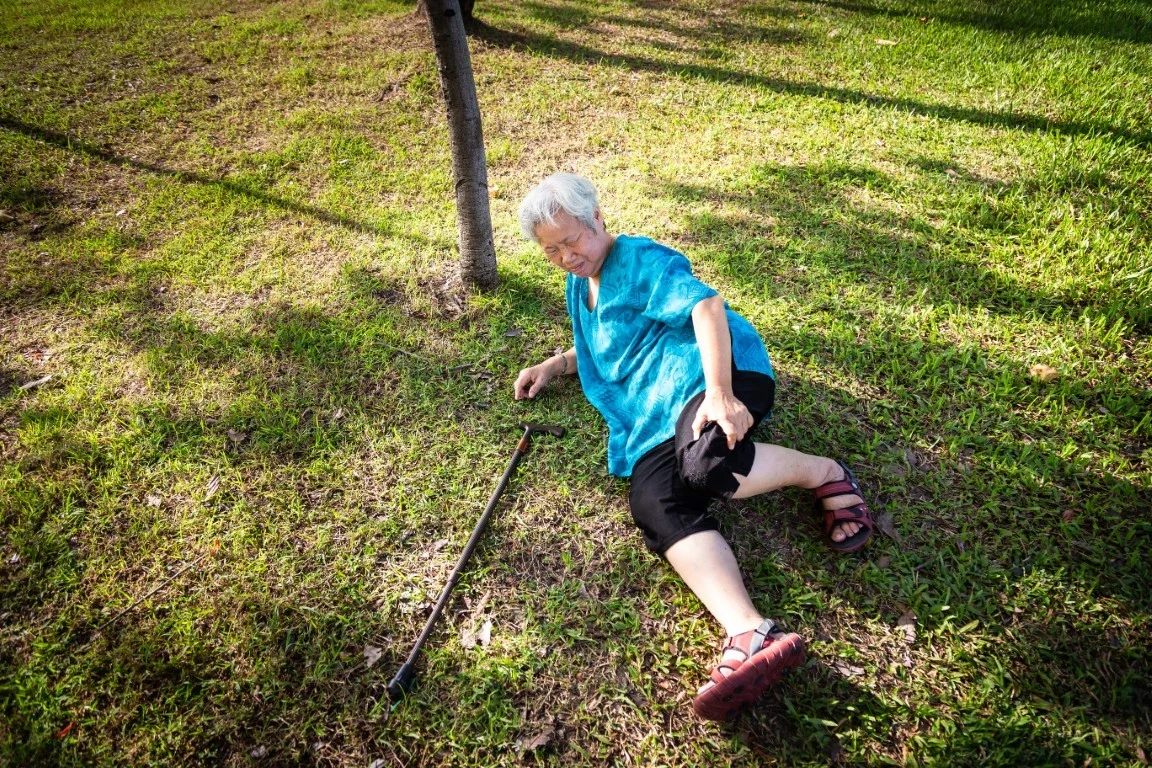
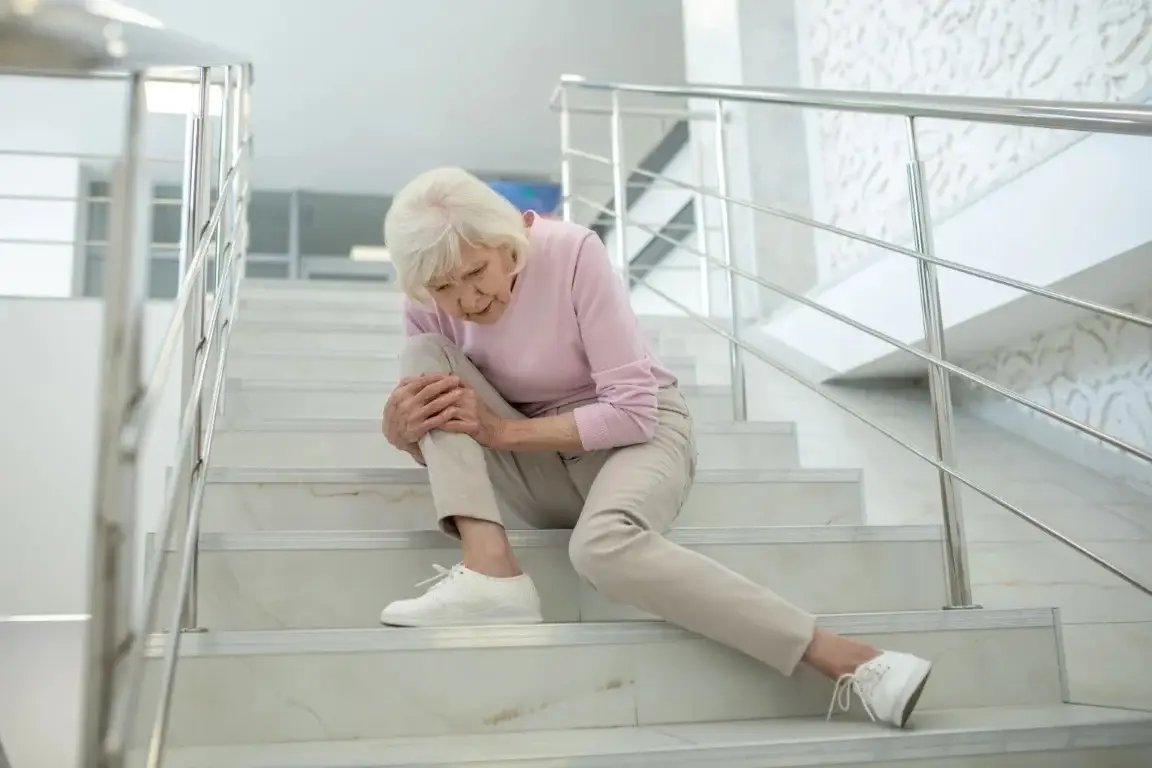
Senior falls are one of the most common and most serious safety risks facing older adults. According to health experts, one in four seniors experiences a fall each year. This often leads to injuries that affect independence, mobility, and quality of life. Fortunately, with the right strategies and support, most falls can be prevented.
Home care professionals work closely with seniors every day and see firsthand what causes falls. Here are their most effective tips for reducing fall risk at home.
Why Fall Prevention Matters for Seniors
As people age, they experience changes in balance, strength, vision, and reaction time that increase the likelihood of falling. Chronic conditions, medications, and environmental hazards further elevate the risk. A single fall can lead to broken bones, hospital stays, or fear of moving around, which often results in reduced activity and faster physical decline.
When seniors have less risk of falling, they can:
- Maintain independence
- Stay active and confident
- Avoid hospitalizations and long recovery periods
- Remain safely at home for longer
Common Causes of Senior Falls
Home care professionals often identify these frequent fall risks:
- Cluttered walkways or loose rugs
- Poor lighting
- Slippery floors or bathrooms
- Weak muscles or balance issues
- Improper footwear or foot pain
- Side effects from medications
- Rushing to the bathroom or answering the phone
- Vision problems
- Lower body weakness
- Vitamin D deficiency
Fall Prevention Tips from Home Care Experts
1. Improve Home Safety
Making some simple home modifications can significantly reduce seniors’ risk of falling:
- Remove throw rugs or secure them with non-slip backing
- Clear clutter from hallways and stairs
- Install grab bars in bathrooms and railings on stairways
- Use non-slip mats in the shower and tub
- Ensure frequently used items are within easy reach
Home care professionals can help assess the home and identify hidden hazards.
2. Focus on Strength and Balance
Staying physically active can help seniors maintain muscle strength and coordination. Even simple, gentle movement can make a big difference. Consider:
- Walking
- Chair exercises
- Stretching routines
- Balanced-focused activities recommended by a healthcare provider
Caregivers often encourage safe daily movement and provide support during exercises.
3. Ensure Proper Lighting
Poor lighting is a major contributor to falls:
- Add nightlights in bedrooms, bathrooms, and hallways
- Increase lighting near stairs and entryways
- Use motion-sensor lights where possible
- Make sure your loved one can get to and reach light switches easily
Good visibility helps seniors move confidently, especially at night.
4. Review Medications Regularly
Some medications can cause dizziness, drowsiness, or low blood pressure. Home care professionals recommend:
- Reviewing medications with a doctor or pharmacist
- Watching for side effects that affect balance or alertness
- Taking medications exactly as prescribed
Caregivers can also help ensure seniors take medications safely and on schedule.
Note: Seniors should also consider getting their vision and hearing checked annually, as these can also impact balance.
5. Encourage Safe Footwear
Shoes matter more than people realize when it comes to senior safety:
- Choose shoes with non-slip soles
- Avoid slippers without support
- Don’t wear socks on slick floors
Supportive footwear improves stability and reduces slipping, as well as reduces joint pain.
Note: Doctors may also recommend using assistive devices, such as canes or walkers, to help maintain balance and reduce the risk of falls.
6. Eat a Balanced Diet
Low levels of nutrients, such as vitamin D and calcium, can contribute to osteoporosis, which can increase the risk of falls. Incorporate the following into a senior’s diet:
- Low-fat milk, yogurt, or fortified plant milk
- Cheese
- Fatty fish
- Egg yolks
- Orange juice with added vitamin D
You may need to consult with a doctor to discuss supplements and personalized diet needs.
7. Support Daily Routines
Falls often happen during everyday tasks like bathing, dressing, or moving quickly. Home care professionals assist with:
- Safe transfers in and out of bed or chairs
- Supervision during bathing
- Gentle reminders to move slowly and carefully
This hands-on support dramatically lowers fall risk.
How In-Home Care Helps Prevent Falls
Professional caregivers play a key role in fall prevention by:
- Monitoring changes in mobility and balance
- Providing companionship that reduces risky behavior
- Offering assistance with daily activities
- Communicating concerns to families and healthcare providers
Having a trained professional in the home adds an extra layer of safety and peace of mind.
Helping Seniors Stay Safe and Independent
Preventing falls isn’t about limiting independence but about protecting it. With thoughtful home adjustments, healthy routines, and the support of experienced home care professionals, seniors can continue living safely and confidently at home.
If you’re concerned about fall risks for yourself or a loved one, a professional in-home care assessment can make all the difference.