
Table of Contents
- 1. Difficulty Managing Daily Activities (ADLs)
- 2. Changes in Mobility or Balance
- 3. Increased Forgetfulness or Cognitive Decline
- 4. Decline in Personal Hygiene
- 5. Unintentional Weight Loss or Poor Nutrition
- 6. Increased Isolation or Withdrawal
- 7. Household Tasks Are Being Neglected
- 8. Driving Difficulties
- 9. Caregiver Stress or Burnout
- 10. A Recent Illness, Hospitalization, or Surgery
- When You’re Not Sure: Start with a Conversation
- Helping Your Loved One Stay Safe, Healthy, and Comfortable
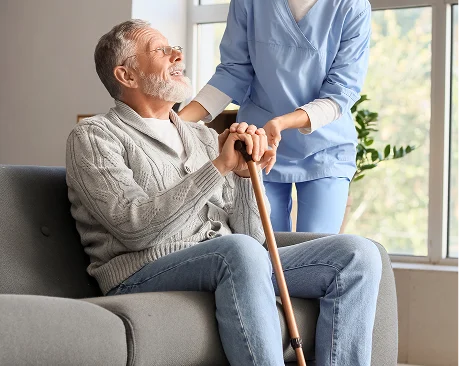
Caring for an aging loved one is both an honor and a challenge. And as time goes on, the needs of a parent, grandparent, or relative may begin to shift in ways you can’t ignore or interpret. This causes many families to wonder when it’s time to consider home care.
The truth is, the signs aren’t always dramatic or obvious. Often, they start small and gradually become more noticeable. Here are some of the most important indicators that it may be time to explore in-home support.
1. Difficulty Managing Daily Activities (ADLs)
If your loved one struggles with essential tasks, such as bathing, dressing, grooming, using the bathroom, or navigating the house, they may benefit from additional support. These activities aren’t just about practicality; they’re also about safety and dignity. A home care professional can help your loved one stay independent while providing the assistance they need.
2. Changes in Mobility or Balance
Falls are one of the leading causes of injury for older adults. If your loved one shuffles when they walk, holds on to furniture for stability, has unexplained bruises, or avoids stairs altogether, it may be time to bring in help. Home caregivers can assist with mobility, prevent falls, and ensure a safer environment.
3. Increased Forgetfulness or Cognitive Decline
Memory lapses are a normal part of aging; however, if your loved one has started forgetting to take medications (or taking the wrong ones), missing appointments, leaving appliances on, or getting lost in familiar places, they may need closer supervision. Those living with dementia or Alzheimer’s benefit greatly from consistent support and supervision at home.
4. Decline in Personal Hygiene
Neglected bathing, noticeable body odor, wearing the same clothes for days, or a visible change in appearance often indicate that daily hygiene tasks have become too difficult or overwhelming. Home care can restore routine and comfort without making your loved one feel embarrassed or pressured.

5. Unintentional Weight Loss or Poor Nutrition
If your loved one is losing weight, skipping meals, or relying on convenience foods, cooking may have become too tiring, unsafe, or confusing. Caregivers can prepare nutritious meals, assist with feeding, and help ensure proper hydration.
6. Increased Isolation or Withdrawal
Loneliness can quickly affect mental and physical health. If your loved one has sudden mood swings, seems depressed, no longer engages with friends, avoids hobbies, or spends most days alone, having a caregiver can give them much-needed companionship, conversation, and emotional support.
7. Household Tasks Are Being Neglected
Overflowing trash, piles of laundry, unpaid bills, dirty dishes, or overwhelming clutter could signal that household responsibilities are becoming too much to manage. Home care professionals can help maintain a clean, organized living space so your loved one feels comfortable and safe.
8. Driving Difficulties
Driving helps people stay independent, but it can become dangerous as your loved one’s vision, reflexes, and memory decline. If they have been in an accident, received tickets, or been too nervous to drive, you may want to consider home care. Cargiveres can safely transport your loved one to appointments and social visits, as well as help them complete errands.
9. Caregiver Stress or Burnout
Sometimes the best indicator isn’t about your loved one; it’s about you. If you’re constantly exhausted, overwhelmed, or anxious about leaving them alone, you may need to consider seeking support. Home care services can ease the burden, allowing you to focus on being a daughter, son, or spouse rather than a full-time caregiver.
10. A Recent Illness, Hospitalization, or Surgery
Recovery can be difficult for seniors, especially when they have limited mobility or low energy levels. Short-term home care can help your loved one heal safely at home and reduce the risk of complications or re-hospitalization.

When You’re Not Sure: Start with a Conversation
Recognizing the need for home care doesn’t mean your loved one is losing their independence — it means you’re committed to helping them live safely, comfortably, and with dignity. Start by talking openly with your loved one about your concerns and what they feel they need. Then consider scheduling a professional home care assessment to get expert insight into the level of support needed.
Helping Your Loved One Stay Safe, Healthy, and Comfortable
Deciding to bring in home care is never easy, but it’s often one of the most compassionate choices you can make. When mobility changes, safety risks increase, or daily life becomes overwhelming, in-home caregivers can provide the support your loved one needs while allowing them to stay in the place they love most — their home.